

The History of Frankincense Oil Production
The production of frankincense oil is a process based on ancient traditions, yet utilizing modern technologies, in which the valuable essential oil is extracted from the resin of the Boswellia tree. Doterra is one of the largest players in the market for its production. The Doterra company pays particular attention to the sourcing and production of frankincense oil, ensuring the high quality and sustainability of the product. It can be said that the price of Doterra Frankincense Oil is not among the cheapest on the market, but its quality is outstanding. It can consistently deliver quality to its customers.
History and Characteristics of the Frankincense Tree
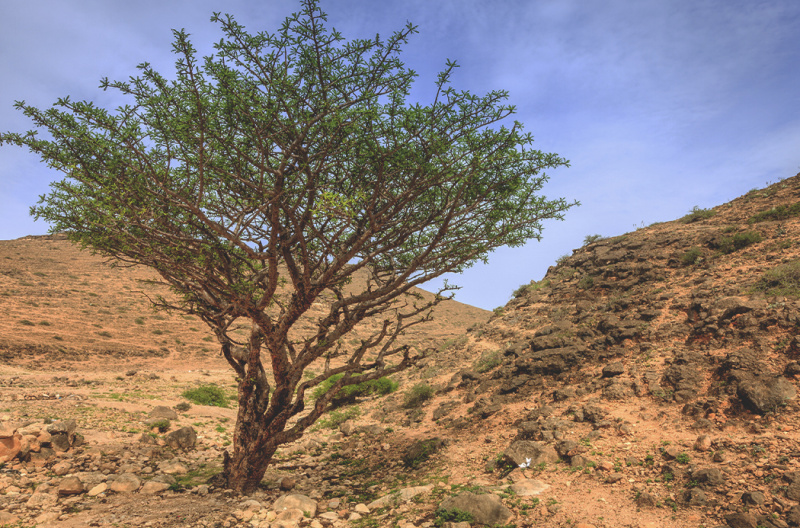
The genus Boswellia includes several species, mainly native to Northeast Africa and Southwest Asia. The most well-known species include Boswellia sacra, Boswellia carterii, and Boswellia frereana. These trees grow in dry, rocky areas
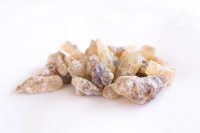
and can survive harsh conditions. The bark of the tree peels off like paper, and when incised, it releases a fragrant resin. This resin forms the basis for frankincense production.
Historical Use of Frankincense
Frankincense resin has been used for thousands of years for religious and medicinal purposes. In ancient Egypt, it was used as incense and for embalming, while in the Middle East, it was an essential part of religious ceremonies. It is even mentioned in the Bible as one of the gifts brought to Jesus by the Magi. In Ayurvedic medicine, frankincense is used as an anti-inflammatory and pain reliever.
Production of Frankincense Oil
Frankincense oil is extracted from the resin of the tree. During the harvesting process, the bark of the tree is incised, from which the resin flows out and solidifies. This solidified resin is collected, then the essential oil is extracted from it by steam distillation. During distillation, the resin is heated with steam,
the resulting vapor is cooled, and the oil is separated from the water.
Doterra's Sourcing Practices for Frankincense Raw Material
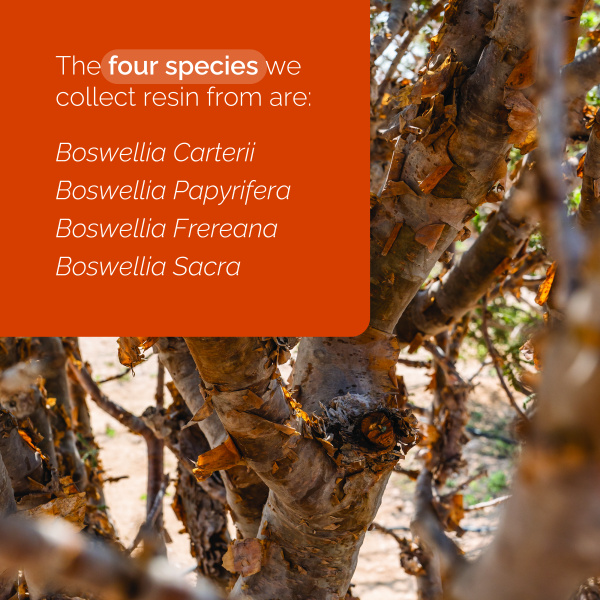
Doterra produces its frankincense essential oil from a proprietary blend of resins from three different Boswellia species – Boswellia carterii, Boswellia frereana, and Boswellia sacra. These trees thrive in different environmental conditions: while one species prefers sandy soil, another thrives in dry, rocky areas. Therefore, Doterra sources the resin from multiple locations to ensure the most appropriate quality for each type. Mixing the raw materials ensures that the oil delivered in the bottle always meets high-quality standards.
-Social%20Media-TH-Thai-Square-2.jpg)
Eco-Friendly and Sustainable Measures
Doterra is committed to sustainable and ethical sourcing practices. Through its Cō-Impact Sourcing® program, the company works directly with local communities in Oman, Somaliland, and Ethiopia, ensuring fair wages and sustainable practices. This approach not only supports local economies but also contributes to the long-term survival of Boswellia trees. Although many do not rank sustainability as the most important aspect, we believe it is crucial that our descendants can continue to use this wonderful oil for a long time. Doterra also shares this view and supports research and sustainability initiatives aimed at protecting frankincense trees, ensuring that resin harvesting processes do not harm the trees, and that future generations can also enjoy the benefits of frankincense oil.

Quality Control
Doterra applies stringent quality control processes to ensure that every bottle of frankincense oil meets the highest standards. The company's Certified Pure Tested Grade (CPTG®) protocol ensures that the oils are free from contaminants and meet purity requirements. Because of this high-quality assurance protocol, we believe that our customers always receive the best products from us and Doterra. Among the products, Doterra Frankincense 15ml oil and Doterra Frankincense 10ml touch are the products we can sell in Hungary, but Doterra has more products on the American market. In addition, many Doterra products also contain frankincense as a raw material, which can be found on the product data sheets.